Mexican Stereotypes Funny: Myths, Jokes & Reality
Mexican stereotypes funny enough to recognize can make cultural humor entertaining, especially when the joke is aimed at exaggerated ideas rather than real people. From tacos, sombreros, mariachi, and spicy food to Hollywood characters, these familiar images often mix Mexican culture with comedy and exaggeration.
The funniest approach is to laugh at the stereotype itself while remembering that Mexico is remarkably diverse. As someone researching Mexican culture and humor, I’ve found that the best examples create a “wait, people really think that?” moment. This article explores common Mexican myths, cultural misconceptions, food jokes, fashion clichés, and movie portrayals while keeping the humor light and respectful.
Mexican Stereotypes
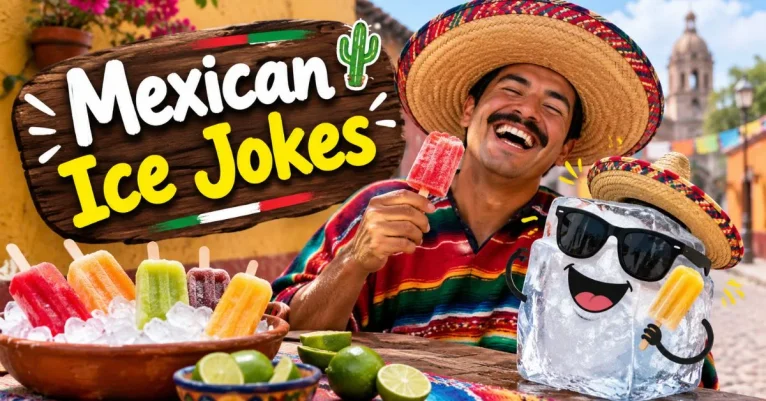
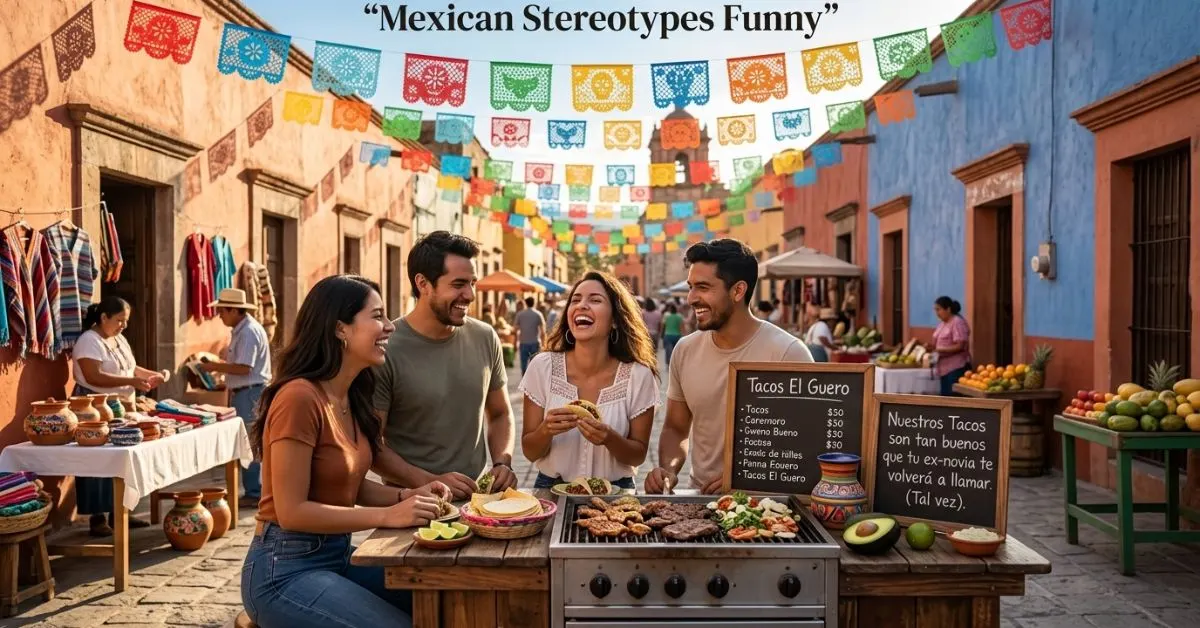
Mexican stereotypes funny often begin with familiar cultural symbols: tacos, sombreros, mariachi, tequila, colorful celebrations, and Spanish phrases. The humor usually comes from exaggeration, such as imagining every Mexican person carrying tacos everywhere or wearing a giant sombrero to work. These images are cultural shorthand, not descriptions of everyday life.
The funniest version of this humor is usually self aware. Instead of claiming every Mexican behaves the same way, the joke recognizes how ridiculous an exaggerated picture can become. Mexican culture includes different regions, languages, foods, traditions, lifestyles, and communities, making any single “typical Mexican” character far too simple.
Mexican Culture Myths
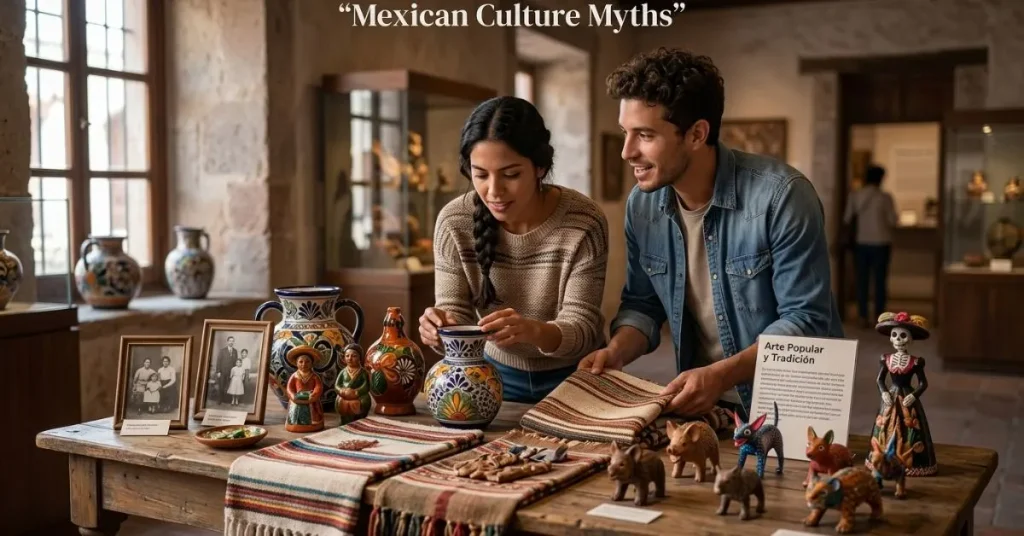
Some Mexican culture myths are funny precisely because they are so exaggerated. Think of the imaginary version of Mexico where every street is covered with tacos, every person owns a sombrero, and every conversation somehow ends with mariachi music. Real Mexico is much more varied, with cities, beaches, forests, mountains, deserts, and different regional traditions.
A good cultural joke works best when the audience understands that it is playful exaggeration rather than a factual claim. For example, joking about someone treating tacos like an entire food group is harmless when it highlights the absurdity of the stereotype. Mexican cuisine itself is far more diverse than that familiar American pop-culture image.
All Mexicans Wear Sombreros and Ponchos
The sombrero and poncho image is one of the most recognizable Mexican stereotypes. A funny version might imagine someone arriving at an office wearing a giant sombrero, traditional poncho, boots, and carrying a guitar only to discover that everyone else is dressed for a normal Monday meeting. The exaggeration creates the punchline.
Traditional clothing certainly exists and remains important during celebrations and regional events, but everyday Mexican fashion is diverse. People may wear streetwear, business clothing, sportswear, traditional garments, or whatever fits their personality and surroundings. Turning that contrast into humor is more playful than pretending one costume represents an entire country.
All Mexicans Eat Tacos for Every Meal
The “tacos for breakfast, lunch, and dinner” stereotype is almost designed for comedy. Imagine a fictional Mexican meal planner proudly announcing: breakfast tacos, taco snacks, lunch tacos, afternoon tacos, dinner tacos and then asking whether dessert should also be wrapped in a tortilla. The exaggeration is where the joke lives.
Mexican cuisine is much broader than tacos. Regional cooking includes moles, tamales, soups, seafood, stews, vegetables, breads, rice dishes, and countless local specialties. Mexican food culture is also shaped by geography and history, so reducing it to one dish misses the variety that makes the cuisine interesting.
Mexicans Are Drug Dealers and Gangsters
This stereotype is heavily connected to Hollywood and crime focused entertainment, which can make it especially recognizable in American popular culture. The comedic version should target the absurd movie formula rather than Mexican people for example, imagining every ordinary neighbor dramatically entering a grocery store as if a crime thriller were being filmed.
Real life is obviously more complicated than a movie plot. Mexico contains millions of ordinary communities, workers, students, families, businesses, artists, athletes, and professionals. Media criticism has repeatedly noted how entertainment can reduce Mexican identity to narrow character types, which is why satire works better when it exposes the stereotype rather than reinforcing it.
Mexicans Have Mustaches And Keep The Shirt Unbuttoned
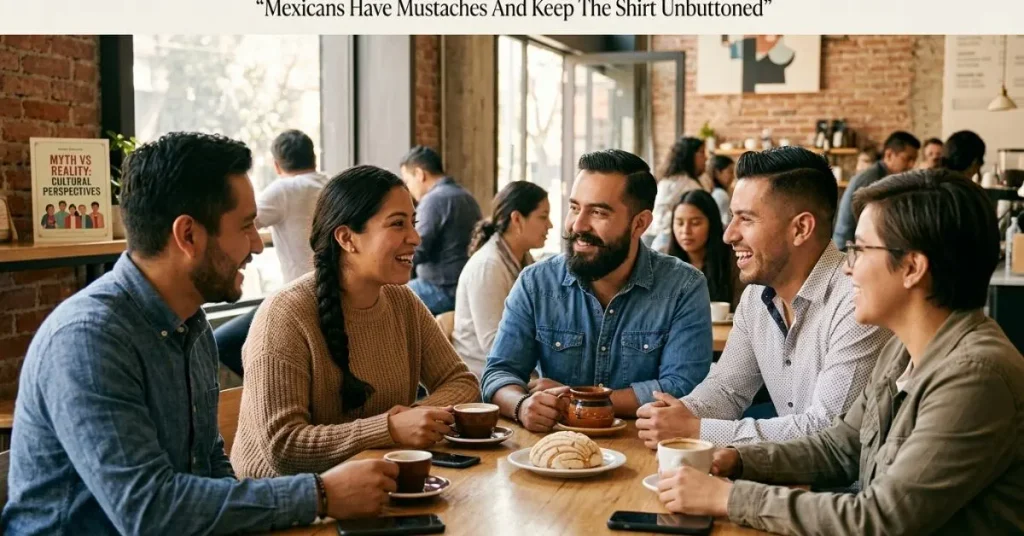
Old movies and pop culture imagery have helped create the familiar character with a mustache, partially unbuttoned shirt, dramatic expression, and exaggerated personality. The comedy comes from treating this outdated movie costume as though it were an official dress code: “Congratulations, you’re Mexican please leave two buttons open.”
Mexican men obviously have varied appearances and clothing preferences, just like men everywhere. Some may wear mustaches, some may not; some enjoy traditional styles, while others prefer modern fashion. The stereotype becomes more amusing when the audience recognizes how old-fashioned and theatrical the movie version looks compared with everyday life.
All Mexicans Are Mestizo
Mexico has a complicated and diverse history, so reducing everyone to one ethnic identity misses an important part of Mexican society. Indigenous communities, Afro Mexican communities, people of European ancestry, mixed heritage populations, and many regional identities contribute to Mexico’s cultural landscape.
That diversity also creates a useful lesson for humor: the more specific the joke becomes, the more important context becomes. A playful joke about a regional habit can be very different from claiming that every Mexican shares one personality or appearance. Good cultural comedy leaves room for individual differences instead of pretending everyone fits one template.
Mexican Stereotypes in Movies: Frequently Asked Questions
Is every Mexican man expected to have a mustache?
No. Mexican men have many different facial hair styles.
Do Mexicans commonly wear unbuttoned shirts?
Not as a universal cultural practice.
Why do these stereotypes exist?
They often come from media portrayals and exaggerated clichés.
Are Mexican appearance stereotypes accurate?
No. Individual appearance and clothing choices vary widely.